
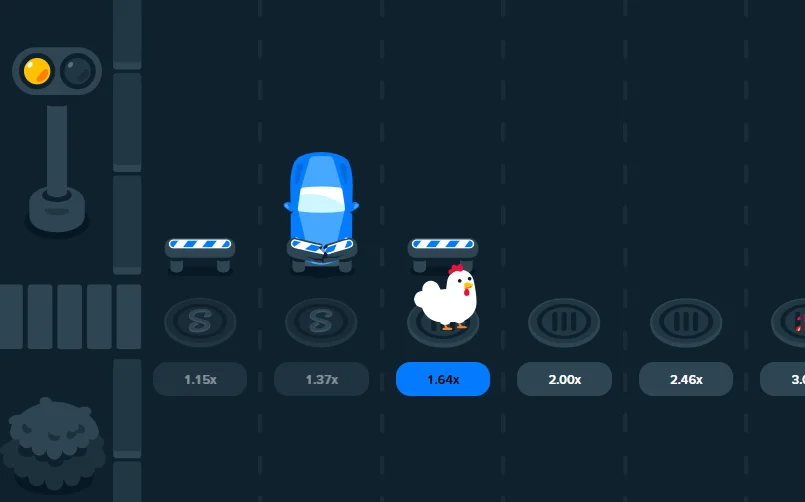
Stake Chicken
Cross one more tile… or bank the multiplier while you still can.
The Stake Original UK Players Can’t Stop Talking About
Stake Chicken isn’t a slot, and it doesn’t pretend to be. It’s a sharp little decision game where a cartoon road crossing turns into a very real question: do you take the profit now, or push your luck for a bigger number?
What makes it click for British players is the pace. There’s no spinning, no waiting, no “feature” to chase. Just your stake in pounds, a growing multiplier, and that stubborn voice saying you’re only one safe move away from a story worth telling.
Stake Chicken is simple on the surface and brutal in the moment.
What You Actually Do in Stake Chicken
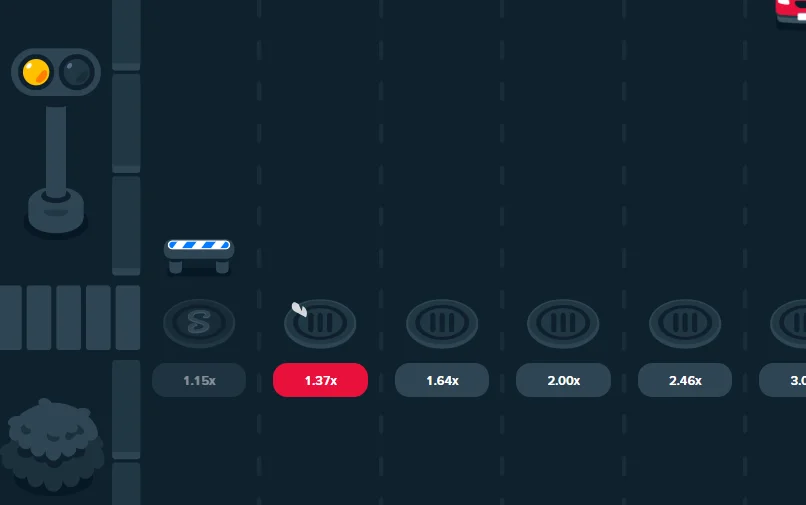
You move a chicken forward tile by tile while the multiplier climbs. Every safe step increases the payout. Every extra step increases the risk of the round ending instantly. You’re in control of one thing only: when to cash out.
- Every step = higher multiplier
- Every step = higher risk
- Cash out whenever you choose
- One bad outcome ends the round

Why It Feels So Different
Most casino games distract you with animations. Stake Chicken does the opposite: it gives you space to think, then tempts you to make the wrong call. That pause between steps is the whole thrill. You’re not watching a result — you’re choosing your risk level in real time.
Stake Chicken – Technical Overview
Before you start chasing big multipliers, it helps to know what Stake Chicken is built to do. This is a Stake Originals title designed for fast rounds, clean controls, and a volatility system you can tune from steady to savage with one dropdown.
Core Game Data
- Provider: Stake Originals
- Game Type: Risk / Multiplier arcade
- RTP: 98.00%
- Volatility: Adjustable (4 levels)
- Max Multiplier: x181,060.88
- Core Feature: Cash out anytime
- Auto Mode: Yes (strategy-friendly)
- Fairness: Provably fair RNG
- Currency for UK sites: GBP (£)
- Platforms: Desktop & Mobile
How the Engine Works
Each forward move is resolved by a provably fair random calculation. That means outcomes aren’t “due”, and the game doesn’t care what happened five rounds ago. Every step is its own decision with its own risk.
The result: a game that feels transparent but still hits hard, because the uncertainty is always real — especially once the multipliers start accelerating.
Difficulty System at a Glance
| Mode | Multiplier Growth | Risk Profile | Typical Play Style |
|---|---|---|---|
| Easy | Gradual | Low | Learning & calmer sessions |
| Medium | Steady | Balanced | Everyday play & sensible cashouts |
| Hard | Fast | High | Higher targets, shorter patience |
| Expert | Explosive | Extreme | Adrenaline runs & big swings |
In plain English: the higher the difficulty, the quicker the numbers climb — and the quicker your round can disappear. That’s the trade-off Stake Chicken is built around.
Easy Mode
Easy mode is your “get a feel for it” setting. Multiplier growth is smoother, pressure builds slowly, and cashouts feel more deliberate. It suits cautious bankroll sessions and anyone who wants tension without instant chaos.
Medium Mode
Medium is the sweet spot: enough risk to make each step exciting, enough breathing room to play with discipline. If you want the “true” Stake Chicken rhythm — this is usually where it lives.
Hard Mode
Hard mode turns the dial up. Multipliers climb faster, the round feels sharper, and mistakes get punished quickly. It’s ideal for players who prefer fewer steps and bigger targets — with the understanding that losses arrive just as fast.
Expert Mode
Expert is the “no comfort” setting. The growth curve becomes aggressive and the risk feels immediate. When it goes well, it’s electric. When it doesn’t, it ends before you’ve even settled into the round.
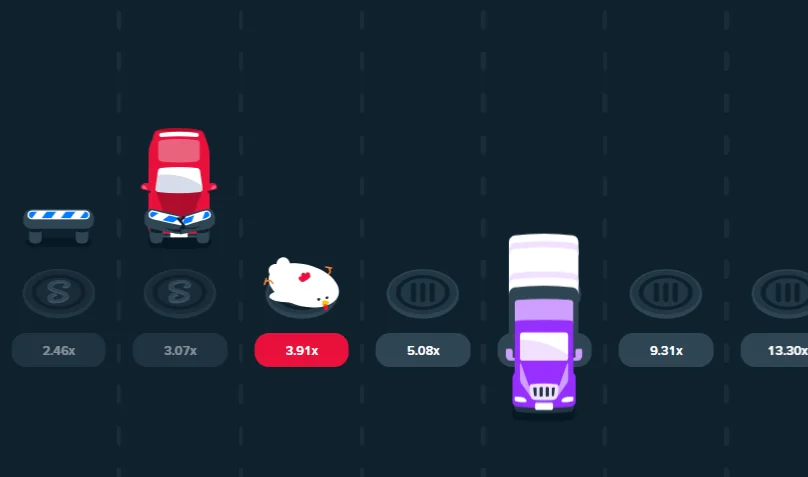
How Stake Chicken Plays – From First Tile to Cashout
Stake Chicken doesn’t hook you with a long intro. It starts with a stake, a difficulty choice, and a single move. From there, the game becomes a loop of temptation: one more tile for a better number, or a cashout while you still control the outcome.
The Structure of a Single Round
- Choose your stake in £ and select a difficulty
- Press Bet to start the run
- Move forward to reveal higher multipliers
- After each safe tile: Continue or Cash Out
- A bad outcome ends the round immediately
The key detail is the pause after each safe move. Stake Chicken gives you time to think — which is exactly when most players talk themselves into risking the profit they already have.
In Stake Chicken, the toughest opponent is “just one more”.
RTP, Volatility & The Mathematics Behind Stake Chicken
The cartoon look is a trick. Underneath, Stake Chicken runs on a precise multiplier model where risk increases as you progress. Understanding that trade-off is how sensible players stay in control — and how reckless players end up feeding the road.
Core Statistical Profile
- RTP: 98.00%
- Volatility: Variable (Easy → Expert)
- Max Multiplier: x181,060.88
- House Edge: 2.00%
- Round Pace: Rapid, decision-led
An RTP of 98.00% is strong by casino standards. Over the long run, it’s designed to return £98 for every £100 wagered — but individual sessions can swing wildly depending on how far you push each run and which difficulty you choose.
Higher volatility means two things at once: faster-growing multipliers and a higher chance that your run ends early. That’s why cashout discipline matters more here than in most games.
How Multipliers Actually Grow
Multipliers don’t climb at a flat rate. Early tiles tend to feel “safe” and rewarding, then the curve steepens as you go deeper. On Hard and Expert, the jump between steps can become dramatic — which is exactly what creates the classic spiral of chasing one last upgrade.
Important: Each move is resolved independently via provably fair RNG. No streak is “owed”, no pattern is guaranteed, and confidence is never a substitute for a cashout plan.
That’s why a £2 stake can suddenly feel enormous at x6 or x10. The maths doesn’t change — but your perception does. Smart play is recognising that moment and taking the win.
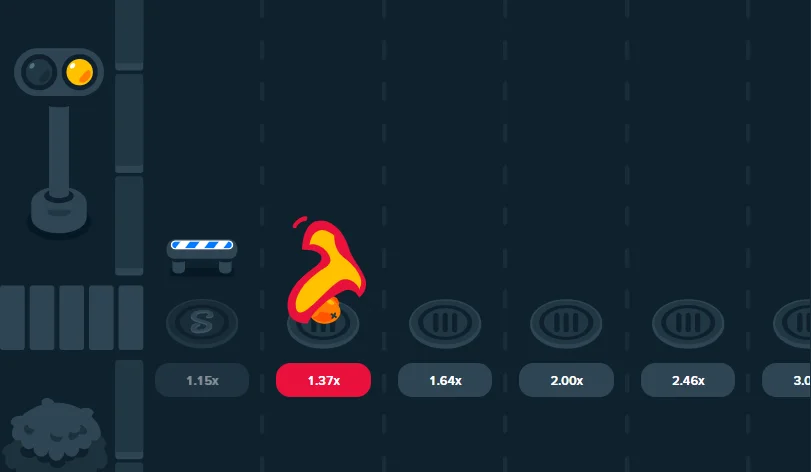
Features, Controls & The Extras That Make Stake Chicken So Replayable
Stake Chicken keeps things clean: no clutter, no side quests, no confusing bonus systems. Everything in the interface exists to help you place a stake, choose your risk level, and control your cashout timing with confidence.
Core Gameplay Features
- Instant cashout at any step
- Four difficulty levels (Easy to Expert)
- Provably fair outcome verification
- Quick stake and risk selection
- Fast resets for rapid sessions
- Round history & results tracking
Auto Mode & Session Controls
For players who like structure, Auto Mode lets you automate a routine and stick to it. You can set the number of rounds, define stop conditions, and adjust your stake behaviour based on wins or losses — useful for removing impulse from the decision loop.
Used responsibly, automation turns Stake Chicken into a controlled strategy game rather than a “click until regret” experience.
Bonuses & Casino Promotions
Stake Chicken is usually treated like other instant games: it’s straightforward, stake-led, and round-based. If you’re using a casino offer, always check the bonus terms first to see whether this game contributes to wagering and what limits apply.
The best approach is to keep targets realistic, use smaller stakes, and let promotions extend session length rather than pushing you into higher risk than you planned.
Smart Strategies & Bankroll Systems for Stake Chicken
Stake Chicken isn’t “solved” by bravado. It’s managed by rules. The players who last longest treat each round like a small, repeatable decision — not a dramatic mission to reach a fantasy multiplier.
The Conservative UK System
- Stick to Easy & Medium for most rounds
- Cash out around x1.8 – x2.6
- Stake 1–2% of bankroll per round
- Set a session stop-win and stop-loss
The Aggressive Profit System
- Use Medium & Hard as your base rotation
- Target cashouts around x3 – x7
- Limit Expert attempts to one per session
- Lock profit early and reduce tilt
The real danger isn’t the next tile — it’s the moment you stop playing your plan and start playing your feelings. If you can keep decisions boring, Stake Chicken becomes far easier to handle.
Stake Chicken rewards discipline and punishes ego.
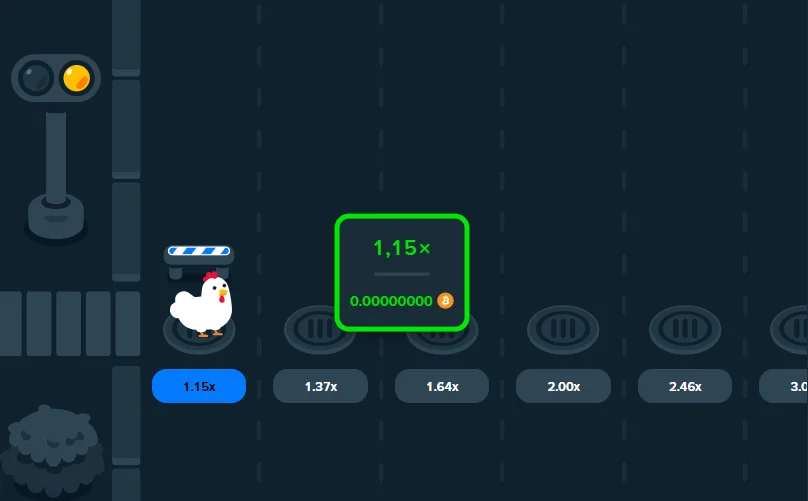
Mobile Experience & UX – Built for Quick UK Sessions
Stake Chicken feels made for how people in Britain actually play: short sessions, mobile-first habits, and instant access without fuss. The interface is clean, readable, and focused on the two buttons that matter — moving forward and cashing out.
- Plays smoothly on iOS & Android browsers
- No downloads needed on most sites
- Simple controls with clear cashout timing
- Fast loading for quick sessions
- Clean layout that stays readable on small screens
On mobile, the danger is convenience. When it’s this easy to place “one more” round, sessions can run longer than planned. If you’re playing on your phone, set a budget first and stick to it like it’s part of the game.
For players used to quick bets and instant results, Stake Chicken fits perfectly — which is exactly why it can be so moreish.
The Psychology of Stake Chicken – Why It’s Hard to Stop
Stake Chicken is a numbers game wrapped in a self-control test. The design is cheerful, but the loop is serious: each safe step feels like progress, each multiplier feels like ownership, and cashing out feels like “quitting” even when you’re winning.
By the time you’re sitting on x5 or x6, your brain often stops seeing it as profit and starts treating it as something you already deserve. Losing it doesn’t feel like randomness — it feels personal, which is why people chase.
Three Psychological Traps
- Ownership illusion – “I’ve basically won this”
- Escalation bias – “I’ve come too far”
- Chasing – “One win fixes it”
Why Players Push Too Long
- The pause invites overthinking
- Rising multipliers create false confidence
- Cute visuals soften perceived risk
- Losses trigger emotional decision-making
The longer the run survives, the harder it becomes to cash out.
The best Stake Chicken sessions are boring on purpose: clear targets, calm decisions, and a cashout before excitement turns into ego.
Pros & Cons of Stake Chicken – The Honest Balance
What Players Love
- Decision-based gameplay with real tension
- Adjustable volatility for different styles
- Massive multiplier potential (up to x181,060.88)
- Fast rounds with minimal downtime
- Excellent RTP for an instant game
- Provably fair transparency
- Feels great on mobile
What Could Be Better
- High-risk modes can burn a bankroll quickly
- Expert difficulty is extremely unforgiving
- No “bonus rounds” to break up the intensity
- Not ideal for very risk-averse players
- Easy to overplay without firm limits
Frequently Asked Questions
Can UK players play Stake Chicken?
Availability depends on the casino or platform you use. If you’re playing from the UK, stick to properly licensed operators and always check local rules and the site’s terms before wagering.
How do I win in Stake Chicken?
Set your stake, choose a difficulty, and move forward to increase the multiplier. You can cash out after any safe step to lock in winnings. If the round ends before you cash out, the stake is lost.
What difficulty mode is best for beginners?
Easy mode is the best starting point. It keeps the risk per step lower and the multiplier growth more gradual, giving you time to learn cashout timing and build a sensible routine.
How much can I win?
The maximum multiplier shown for Stake Chicken reaches x181,060.88. Your actual payout depends on your stake size and any bet limits set by the casino or platform.
Is Stake Chicken fair?
Stake Chicken uses a provably fair RNG system, which allows outcomes to be verified. Each move is resolved independently, so there are no guaranteed streaks or patterns.

Should You Play Stake Chicken?
Stake Chicken is built for players who enjoy fast rounds and meaningful decisions. It’s easy to understand, hard to master, and packed with tension because you control the cashout — not the game. If you like multiplier-style gambling with adjustable risk and a clean, modern feel, Stake Chicken is well worth adding to your rotation.

Oliver Grant
Oliver Grant is a UK-based iGaming writer and game tester with a strong focus on crash, arcade and high-volatility casino games. With several years of hands-on experience reviewing online casino titles, he specialises in testing gameplay mechanics, risk structures and player decision systems. Oliver approaches each game from a player’s perspective, paying close attention to pacing, balance and usability across devices. His work emphasises clarity, fairness and responsible play, helping UK players understand how games behave before committing real money. His reviews are written to be practical, unbiased and easy to follow.